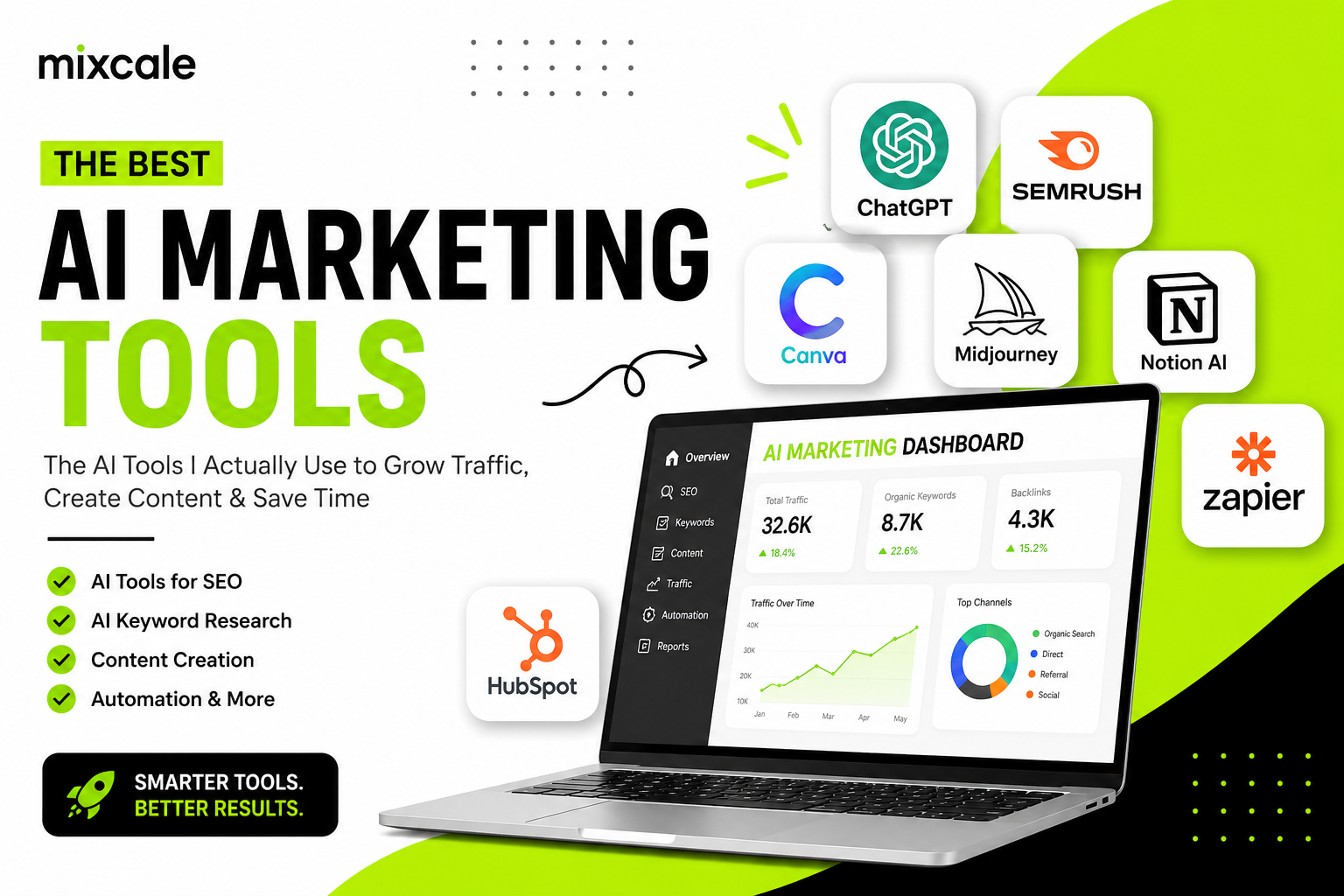
Last year I had a problem that many marketers probably have today.
I was paying for too many tools.
Every week there seemed to be a new AI platform promising to:
- write content
- automate marketing
- improve SEO
- generate leads
- save hours of work
At first, I was excited.
Then reality hit.
Most of those tools didn’t improve my results.
They simply gave me another dashboard to log into.
What actually helped wasn’t buying more software.
It was identifying the handful of tools that solved real problems.
As someone who works in SEO, website development, content marketing, and performance marketing, I’ve spent hundreds of hours testing AI tools.
Some became essential.
Some were cancelled within weeks.
This article isn’t another “Top 50 AI Tools” roundup.
It’s a practical breakdown of the AI marketing tools that genuinely help me work faster and make better decisions.
Before You Buy Any AI Tool
There’s something most AI influencers won’t tell you.
Your biggest marketing problem probably isn’t a lack of AI.
It’s usually one of these:
- weak positioning
- poor content strategy
- inconsistent publishing
- unclear offers
AI can’t fix those.
What AI can do is remove friction.
For example:
Instead of spending three hours organizing keyword ideas, I can now use AI keyword research workflows to build content plans much faster.
Rather than manually creating social media content, I can generate drafts and improve them.
Instead of staring at a blank page, I can create blog outlines in minutes.
Notice the pattern?
AI improves execution.
Strategy still comes from humans.
That’s why I always tell marketers:
Don’t look for AI that replaces you.
Look for AI that makes you more productive.
The Tool I Open Every Single Day
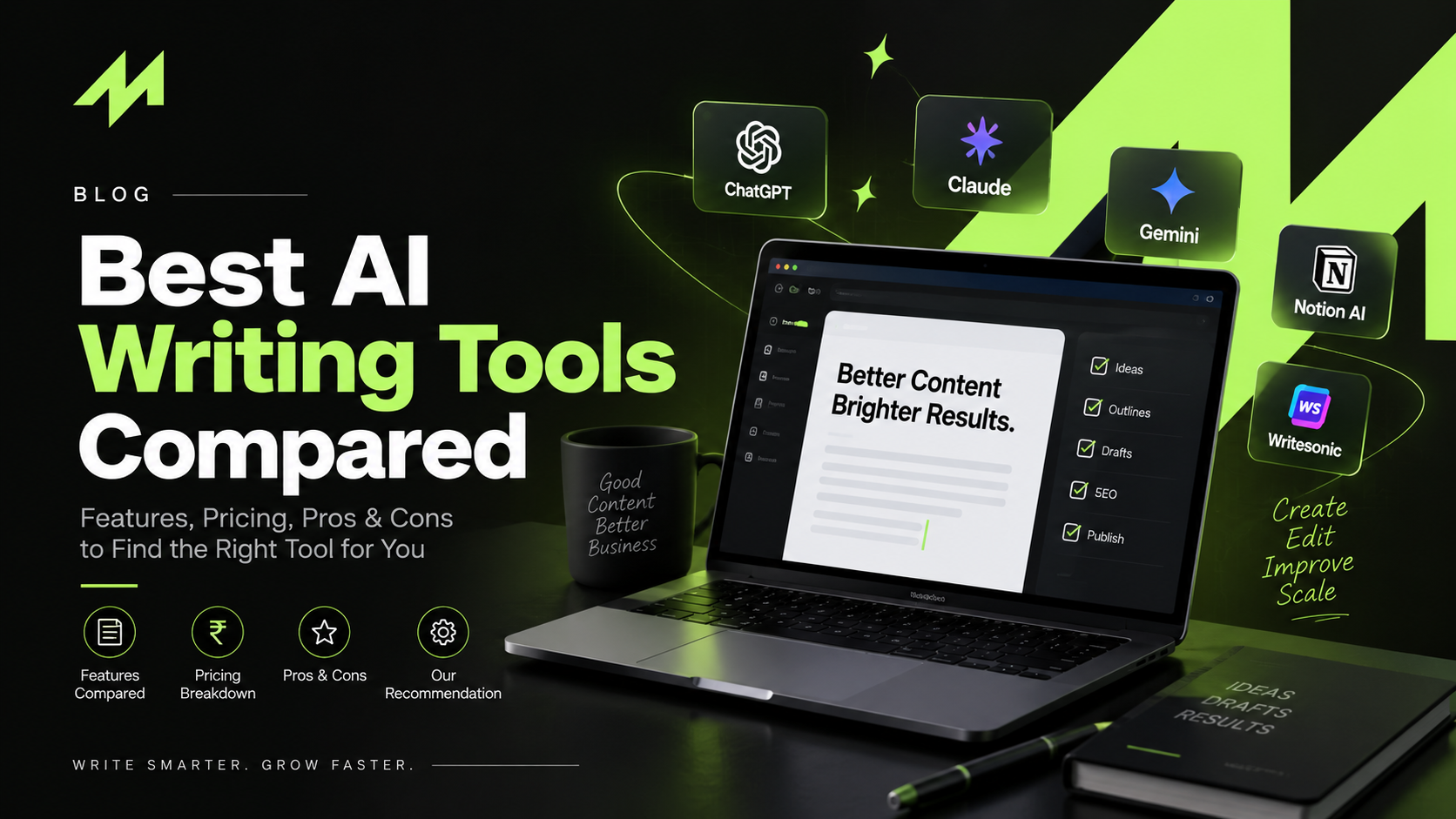
ChatGPT
If every subscription I owned disappeared tomorrow, ChatGPT would probably be the first one I’d buy again.
Not because it’s the smartest.
Not because it’s perfect.
Simply because it’s useful for almost everything.
A typical day might include:
- brainstorming blog topics
- creating content briefs
- researching competitors
- generating email ideas
- planning landing pages
- creating social captions
One area where it has become incredibly valuable is AI keyword research.
When I start planning content, I rarely open Semrush first anymore.
Instead, I open ChatGPT.
For example:
When building Mixcale, I wanted to create content around AI marketing.
Instead of immediately researching keywords, I asked:
What questions would marketers have before purchasing AI marketing software?
The responses generated dozens of content ideas.
Not because ChatGPT knows search volume.
It doesn’t.
But it helps uncover angles and pain points.
After that, I validate everything using SEO tools.
This simple workflow saves a surprising amount of time.
What I Like
ChatGPT helps eliminate the blank-page problem.
Instead of starting from zero, I start with ideas.
What I Don’t Like
Too many people trust it completely.
That’s a mistake.
Every keyword, fact, and recommendation should still be verified.
The SEO Tool That Saves Me The Most Time
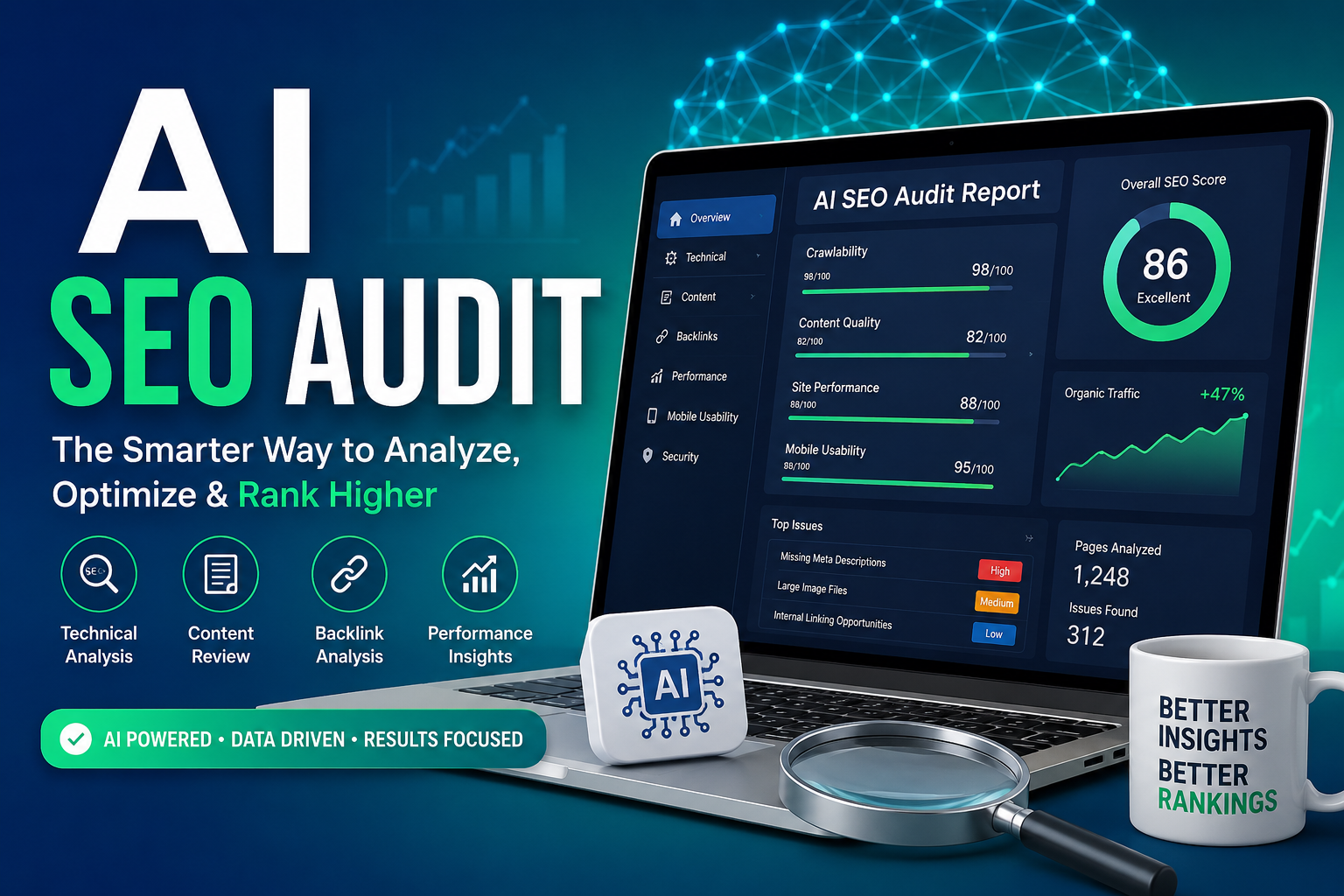
Semrush
When people ask me about the best AI tools for SEO, Semrush is usually near the top of the list.
Not because it’s flashy.
Because it helps answer practical questions.
Questions like:
- Is this keyword worth targeting?
- Can my website realistically rank?
- What are competitors doing?
- What content opportunities exist?
Those questions matter far more than simply generating content.
I often use a simple process.
Step 1:
Generate ideas using ChatGPT.
Step 2:
Validate them using Semrush.
This combination works extremely well.
For example:
ChatGPT might suggest:
“Best AI tools for agencies”
Semrush tells me:
- search volume
- difficulty
- intent
- competitor strength
Now I can make an informed decision.
Without Semrush, I’d be guessing.
That’s why it’s become one of the few subscriptions I never seriously consider cancelling.
The AI SEO Tool That Changed How I Create Content
Surfer SEO
I remember the first time I used Surfer SEO.
I uploaded an article I thought was well optimised.
The score wasn’t great.
At first, I thought the tool was wrong.
Then I started looking deeper.
Surfer showed:
- missing subtopics
- content gaps
- missing keywords
- weak sections
It wasn’t just telling me to add keywords.
It was showing me areas where competitors were providing more value.
That changed my perspective.
Good SEO isn’t about stuffing keywords.
It’s about covering topics comprehensively.
Today I use Surfer mainly for:
- blog optimization
- content audits
- improving topical coverage
Does it guarantee rankings?
No.
But it helps create more complete content.
And that’s usually a step in the right direction.
The Tool That Made Writing Long Articles Easier
Claude
I like ChatGPT.
But for long-form writing, Claude often feels more natural.
One thing I’ve noticed is that Claude tends to explain ideas in a way that feels closer to how humans actually write.
When I’m working on:
- detailed blog posts
- content expansion
- research summaries
Claude often becomes my second stop after ChatGPT.
It’s not necessarily better.
It’s different.
And sometimes that difference helps.
For marketers creating educational content, having both tools available can be surprisingly useful.
Because when one gets stuck, the other often provides a completely different perspective.
The Designer I Wish I Had Years Ago
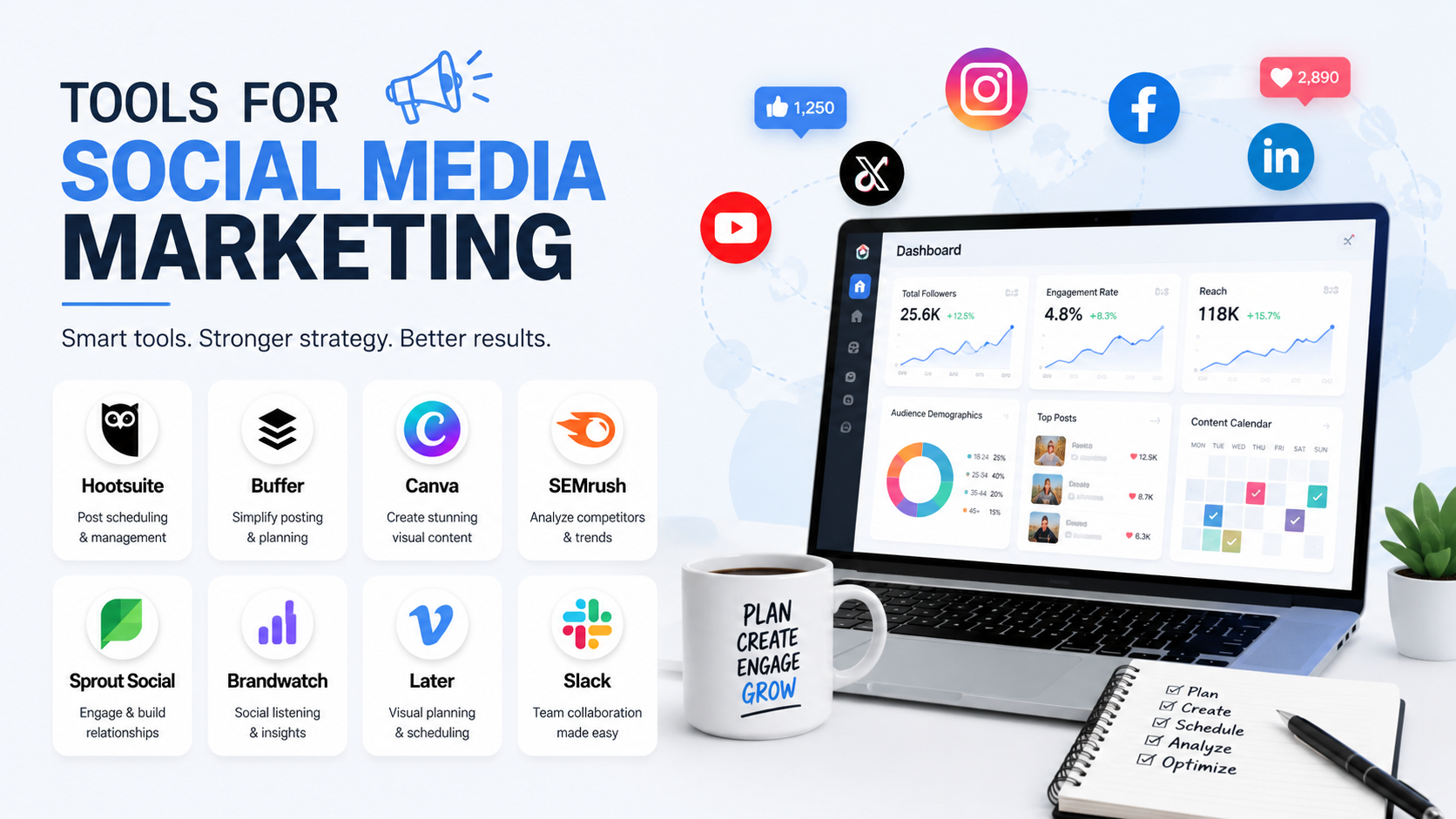
Canva AI
There was a time when creating a simple social media post took far longer than it should have.
I’d either spend hours tweaking designs myself or wait for a designer to make small changes.
Neither option was ideal.
That’s one reason Canva became part of my workflow.
Initially, I used Canva only for:
- Instagram posts
- Facebook creatives
- Blog featured images
But over time, it became much more than that.
Today, when I’m working on content for a website like Mixcale, Canva helps me create:
- Featured images
- Pinterest graphics
- LinkedIn posts
- Blog infographics
- Lead magnets
without needing Photoshop.
The AI features have made it even more useful.
Sometimes I’ll upload a rough idea and let Canva generate multiple variations.
Not every design is great.
But it gets me 80% of the way there much faster than starting from scratch.
My Opinion
If you’re a marketer who isn’t a designer, Canva might be one of the highest ROI subscriptions you’ll ever buy.
The Tool That Replaced Stock Photos For Me
Midjourney
I used stock images for years.
Everyone does.
The problem is that after a while, everything starts looking the same.
You’ve probably seen it.
The same smiling office teams.
Also, the same generic laptops.
The same overused marketing graphics.
When AI image generators started becoming popular, I wasn’t convinced.
Then I tested Midjourney.
The difference was obvious.
Instead of searching for images, I could create them.
Now, when creating content around:
- AI marketing tools
- AI keyword research
- AI tools for SEO
I can generate visuals specifically designed for that article.
That creates a more unique experience for readers.
Would I replace every screenshot with AI images?
No.
If I’m reviewing software, screenshots are more valuable.
But for featured images and custom illustrations, Midjourney is incredibly useful.
What Most Marketers Get Wrong
They generate images and stop there.
The best approach is combining:
- screenshots
- custom graphics
- AI visuals
That combination feels much more authentic.
The Tool That Quietly Improved My Productivity
Notion AI
I ignored Notion for a long time.
Everyone kept recommending it.
I kept postponing it.
Eventually I gave it a try.
What surprised me wasn’t the AI.
It was how much better organized everything became.
Before Notion:
Content ideas lived in one place.
Client notes lived somewhere else.
SEO research was scattered across multiple documents.
After Notion:
Everything lived in one system.
The AI features are useful for:
- summarizing research
- generating outlines
- organizing notes
- creating task lists
But the real value is organization.
Good marketing often looks like creativity from the outside.
Behind the scenes, it’s usually strong systems.
Notion helps build those systems.
The Tool That Saves Me Hours Every Month
Zapier
Most people don’t get excited about automation.
Until they realize how much time they’re wasting.
A few years ago, I manually moved information between platforms all the time.
Someone submits a form.
Copy data.
Paste it somewhere else.
Send notifications.
Update spreadsheets.
Repeat.
It’s not difficult work.
It’s repetitive work.
Zapier changed that.
Now many of those tasks happen automatically.
For example:
A lead fills out a form.
Zapier can:
- send notifications
- create CRM records
- update spreadsheets
- trigger emails
without me touching anything.
That time adds up quickly.
One Lesson I’ve Learned
Automation isn’t about replacing people.
It’s about eliminating low-value tasks.
The more repetitive the task, the better the automation opportunity.
The Tool I Recommend Once Businesses Start Scaling
HubSpot
For small businesses, HubSpot often feels unnecessary.
For growing businesses, it starts making a lot of sense.
The reason is simple.
Growth creates complexity.
More leads.
More customers.
Also, More conversations.
And, More follow-ups.
Eventually spreadsheets stop working.
That’s where HubSpot becomes valuable.
What I like most isn’t the AI.
It’s how everything connects together.
Marketing.
Sales.
Customer communication.
Reporting.
The AI simply makes those systems more efficient.
For example:
Instead of manually drafting emails, HubSpot can help generate them.
Instead of manually qualifying leads, AI can help prioritize them.
The larger the business becomes, the more valuable this efficiency becomes.
The Workflow I Actually Use
One question I get often is:
“Which AI marketing tool should I buy first?”
My answer is usually:
Don’t start with tools.
Start with your workflow.
Here’s how I approach most projects.
Step 1: Research
I start with ChatGPT.
Not for data.
For ideas.
I want to understand:
- problems
- questions
- opportunities
before touching keyword tools.
Step 2: Validation
Then I move into Semrush.
This is where I validate:
- search volume
- difficulty
- competitor strength
- search intent
This step prevents wasted effort.
Step 3: Content Planning
Once I know what to target, I build content clusters.
This is where AI keyword research becomes incredibly useful.
Instead of creating one article, I create an ecosystem of articles.
For example:
Main Topic:
AI Marketing Tools
Supporting Topics:
- AI Tools for SEO
- AI Keyword Research
- AI Content Creation Tools
- AI Automation Tools
- AI for Local SEO
Now each article strengthens the others.
Step 4: Content Creation
I use both:
- ChatGPT
- Claude
depending on the task.
Not because AI writes better than humans.
Because it helps me move faster.
The editing and strategic thinking still come from me.
Step 5: Optimisation
Before publishing, I use Surfer SEO.
Not because I blindly trust optimization scores.
Because it helps identify content gaps I may have missed.
Step 6: Design
Finally, Canva and Midjourney help create:
- featured images
- social graphics
- blog visuals
This entire workflow is significantly faster than what I was doing two years ago.
And that’s the biggest advantage AI has given me.
Not better ideas.
Not magical rankings.
Just more time to focus on the work that matters.
The Mistakes I See Marketers Make With AI
After talking to business owners, freelancers, and agency owners, I’ve noticed something interesting.
Most people aren’t getting poor results because they’re using the wrong AI tools.
They’re getting poor results because they’re expecting AI to do work it was never meant to do.
Mistake #1: Chasing Every New AI Tool
This is probably the biggest trap in the industry right now.
Every week there’s a new tool claiming to:
- replace your team
- automate your marketing
- rank your website
- create viral content
Most won’t.
In fact, if I’m being honest, many marketers would get better results from mastering:
- ChatGPT
- Semrush
- Canva
than subscribing to ten different AI platforms.
The biggest productivity gains usually come from mastering a few tools deeply rather than constantly switching to new ones.
Mistake #2: Thinking AI Creates Strategy
One thing I’ve learned over the years is that strategy always comes first.
AI can help you:
- generate ideas
- organize information
- identify opportunities
But it can’t decide:
- which audience you should target
- what makes your business different
- how your offer should be positioned
Those decisions still belong to humans.
Whenever someone tells me AI will replace marketers, I usually ask:
“Can it understand customers better than someone who talks to them every day?”
The answer is usually no.
Mistake #3: Publishing Content Without Adding Experience
This is where I think many websites will struggle over the next few years.
Anyone can generate a blog post.
Literally anyone.
The internet doesn’t need more generic content.
It needs experience.
For example:
Instead of saying:
ChatGPT is useful for keyword research.
You could say:
While planning content for Mixcale, ChatGPT helped me uncover dozens of long-tail keyword ideas I hadn’t considered. Some of those topics later became entire content clusters.
That small difference changes everything.
One is information.
The other is experience.
Experience is much harder to copy.
Some Unpopular Opinions About AI Marketing
Let’s talk about a few things that many AI influencers probably won’t tell you.
Most Businesses Don’t Need 15 AI Tools
Seriously.
They don’t.
If you’re running a local business, freelancer operation, or small agency, a stack like this is often enough:
- ChatGPT
- Semrush
- Canva
That’s it.
Everything else is optional.
AI Won’t Save Bad Marketing
A weak offer remains a weak offer.
Bad content remains bad content.
Poor positioning remains poor positioning.
AI can accelerate execution.
It cannot magically create demand.
SEO Still Matters More Than Most AI Trends
Every few months, people claim SEO is dead.
Yet businesses continue generating leads from search engines every single day.
That’s why I still spend more time researching topics, performing AI keyword research, and creating content than chasing every new AI trend.
Traffic compounds.
Trends come and go.
If I Had to Start From Zero Today
This is probably the question I ask myself most often.
If everything disappeared tomorrow and I had to rebuild from scratch, what tools would I buy first?
Here’s my answer.
Budget Under ₹2,000/Month
ChatGPT
For:
- content ideas
- research
- marketing assistance
Canva
For:
- social media
- featured images
- presentations
This alone would be enough to start.
Budget Under ₹10,000/Month
ChatGPT
Canva
Semrush
Now we’re talking.
This setup covers:
- SEO
- content marketing
- AI keyword research
- design
- competitor analysis
For most marketers, this is the sweet spot.
Agency-Level Setup
If I were running multiple projects or client campaigns, I’d add:
- Claude
- Surfer SEO
- Zapier
Not because they’re required.
Because they save enough time to justify their cost.
Which AI Marketing Tool Gives The Highest ROI?
If I had to rank them based on value received versus money spent:
1. ChatGPT
The most versatile tool available today.
2. Semrush
Still one of the best AI tools for SEO and content planning.
3. Canva
The easiest way to create professional marketing assets.
4. Claude
Excellent for content-heavy workflows.
5. Zapier
Massive time saver once operations become more complex.
The Future of AI Marketing
I think many people are focusing on the wrong question.
Instead of asking:
“Will AI replace marketers?”
The better question is:
“How will marketers who use AI outperform those who don’t?”
That’s where the real shift is happening.
The marketers who understand:
- customer psychology
- content strategy
- SEO
- branding
and combine those skills with AI will have a significant advantage.
The tools will continue evolving.
The fundamentals won’t.
People will still search.
They will still compare options.
People will still buy based on trust.
That’s why expertise remains valuable.
Final Thoughts
When I first started experimenting with AI, I thought the biggest benefit would be speed.
And to some extent, that’s true.
I can create content plans faster.
I can research topics faster.
Also, I can organize information faster.
But the biggest benefit wasn’t speed.
It was clarity.
AI helped me spend less time on repetitive tasks and more time thinking strategically.
That’s where the real value exists.
If you’re just getting started, don’t worry about building the perfect AI stack.
Start with one or two tools.
Learn them properly.
Apply them consistently.
Then expand when necessary.
Because the goal isn’t to use the most AI tools.
The goal is to become a better marketer.
And the right AI tools can absolutely help you do that.
Frequently Asked Questions
AI marketing tools are software platforms that use artificial intelligence to assist with content creation, SEO, automation, analytics, customer communication, and digital marketing workflows.
ChatGPT is often the best starting point because it can assist with content ideas, research, copywriting, brainstorming, and marketing tasks without requiring advanced technical knowledge.
Some of the most effective AI tools for SEO include Semrush, Surfer SEO, ChatGPT, and Claude. These tools can help with content planning, optimization, competitor analysis, and keyword research.
AI keyword research uses artificial intelligence to generate keyword ideas, identify search intent, discover topic clusters, and uncover content opportunities. The best results come from combining AI-generated insights with SEO tools such as Semrush or Ahrefs.
Yes, provided they solve a real problem in your workflow. Before buying additional tools, make sure you’re fully utilizing the ones you already have.
No. AI can improve productivity and automate repetitive tasks, but strategy, creativity, customer understanding, and decision-making still require human expertise.
Conclusion
AI isn’t replacing marketing.
It’s removing friction from marketing.
The marketers who succeed over the next few years won’t necessarily be the ones with the most AI subscriptions.
They’ll be the ones who combine AI with experience, creativity, and strategic thinking.
Learn the fundamentals.
Use AI to move faster.
Focus on creating value.
And remember that no tool is more powerful than understanding your audience.
That’s the advantage that will always matter.